






Soreness after getting braces fitted or adjusted is one of the most common concerns patients raise before starting orthodontic treatment. The discomfort is real, but it is also predictable, temporary, and very manageable with the right approach. In this article, we will cover why braces cause pain in the first place, seven practical methods to relieve that discomfort effectively, what is normal versus what deserves attention, and when to contact your orthodontist rather than managing things at home.
Why Do Braces Cause Pain?
When braces apply pressure to your teeth, they trigger a biological process that allows the teeth to shift position over time. This involves temporary inflammation in the periodontal ligaments, which are the small fibrous structures that anchor each tooth to the surrounding bone. That inflammation is the source of the soreness and sensitivity most people feel in the days following an adjustment or initial fitting. Understanding the full mechanics behind this process is easier with context from our overview of braces treatment, which explains how bone remodeling and tooth movement work step by step.
Discomfort tends to peak within the first 24 to 48 hours after braces are placed or adjusted, then gradually settles over the following two to three days. This pattern repeats after every adjustment appointment throughout treatment. Knowing that the discomfort follows a predictable timeline makes it far easier to prepare for and manage effectively. At Blue Clinic’s orthodontics department, patients are guided through what to expect at every stage so the experience is as manageable as possible.
There is also a second type of discomfort that is separate from tooth movement: irritation caused by brackets or wire ends rubbing against the soft tissue inside the lips and cheeks. This friction-related soreness is localized to the contact point and responds to different management strategies than the deeper soreness of bone remodeling. According to WebMD, understanding the difference between these two types of discomfort helps patients choose the most effective relief strategy.
7 Methods On How to Get Rid of Braces Pain
Method 1: Over-the-Counter Pain Relief
Over-the-counter pain relievers such as ibuprofen or paracetamol are among the most effective first-line options for managing braces soreness. Ibuprofen, in particular, has anti-inflammatory properties that work directly on the inflammation causing the discomfort, making it especially well suited for the days following an adjustment. Our dental team can advise on which option is most appropriate for your health profile during your consultation.
Ibuprofen should always be taken with food and in line with the recommended dosage on the packaging. Paracetamol is a suitable alternative for those who cannot take ibuprofen due to a stomach condition or other health reason. Both options are readily available and highly effective when used at the right time.
A particularly useful strategy is to take pain relief approximately one hour before your adjustment appointment rather than waiting until the discomfort peaks afterward. This proactive approach can noticeably reduce how intense the initial soreness feels in the hours following the visit, without affecting the tooth movement process itself. Speak with the team at Blue Clinic if you have any questions about managing pain relief alongside your treatment plan.
Method 2: Cold Foods and Ice Packs
Cold temperatures reduce inflammation and temporarily numb irritated tissue, providing real and immediate relief from braces soreness. Soft, cold foods such as yogurt, chilled smoothies, cold fruit purée, and ice cream are ideal choices in the 24 to 48 hours following an adjustment. They are gentle on sensitive teeth and provide a noticeable soothing effect on inflamed gum tissue. If you are wondering whether your food choices during treatment affect more than just pain management, our orthodontics page covers dietary guidelines in detail for patients with fixed appliances.
Applying a cold pack or a cloth-wrapped ice pack to the outside of the cheek for 10 to 15 minutes at a time can also help reduce swelling and soreness, particularly in the hours immediately after an appointment. Avoid direct contact between ice and the teeth or gums, as this can worsen tooth sensitivity in people who already experience it.
Cold relief works best as part of a broader approach rather than in isolation. Combining it with a soft food diet and pain relief medication on the worst days creates a noticeably more comfortable experience than relying on any single method alone. The team at our orthodontics department is always happy to discuss what worked well for other patients in their early weeks of treatment.
Method 3: Orthodontic Wax
Not all braces pain comes from the teeth moving. A separate and very common source of discomfort is brackets or protruding wire ends rubbing against the inner surface of the lips, cheeks, or tongue. This friction can cause small sores or raw patches that are distinct from the deeper soreness associated with tooth movement and require a different approach. For patients at our dental department, wax is typically provided at the first fitting appointment as a standard part of the welcome pack.
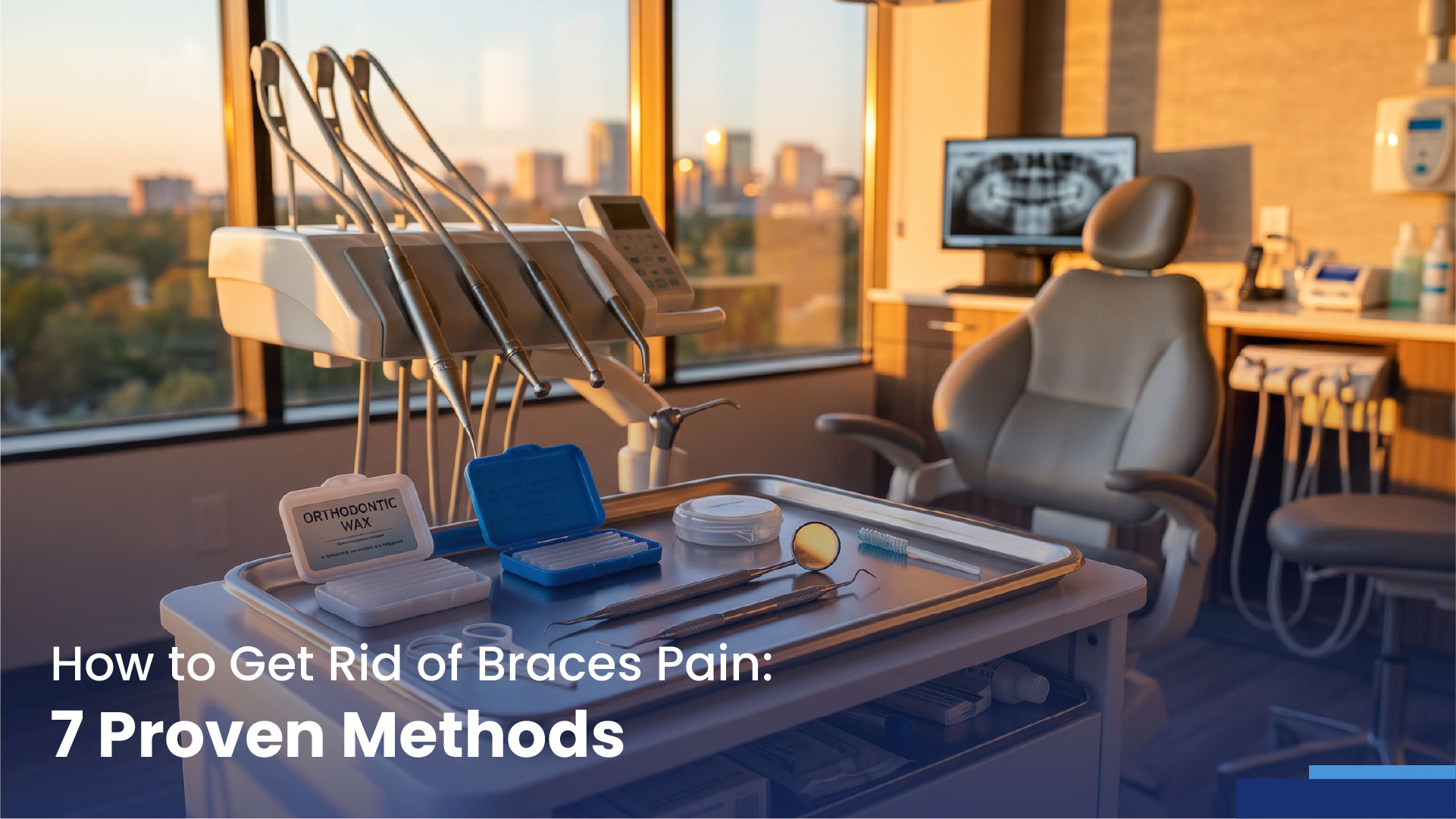
Orthodontic wax is a soft, non-toxic material that is pressed directly over any bracket or wire causing friction. It creates a smooth barrier between the metal and the soft tissue, allowing irritated areas to heal without ongoing abrasion. To apply it correctly, dry the area around the bracket with a tissue first, then warm a small piece of wax between your fingers and press it firmly into place over the problem spot.
The wax can be removed and reapplied as needed throughout the day and is safe if swallowed in small amounts during sleep or eating. It is widely available at pharmacies if you run out between appointments. This is one of the simplest and most immediate solutions available for friction-related discomfort, and most patients find it makes a significant difference in the early weeks of treatment when the soft tissue is still adapting. Reach out through WhatsApp if you are ever unsure how to manage a sharp wire or a bracket that is causing persistent irritation.
Method 4: Saltwater Rinse
A warm saltwater rinse is one of the simplest and most effective tools for soothing inflamed gum tissue and reducing minor oral irritation during braces treatment. Salt has mild antiseptic properties and helps calm the gum tissue along the bracket line, which is often the area most affected by the pressure of adjustment. Maintaining this routine also supports the general oral hygiene work done through our dental appointments.
To prepare a rinse, dissolve approximately half a teaspoon of ordinary table salt in a glass of warm water. Swirl gently around the mouth for 30 to 60 seconds, focusing particularly on the areas that feel most tender, then spit out. Repeat this two to three times per day during the days following an adjustment. It is completely safe to use daily and works well alongside other methods.
A saltwater rinse is especially useful when friction-related sores from brackets or wires are present alongside the deeper soreness of tooth movement. It helps both types of discomfort simultaneously and costs almost nothing. It is also a good habit to continue throughout treatment to support gum health, as braces can make thorough cleaning more challenging and the gumline more susceptible to inflammation. For a broader picture of what the treatment journey involves, our orthodontics department is a helpful resource.
Method 5: Soft Food Diet During Adjustment Days
What you eat in the 24 to 48 hours after each adjustment has a direct impact on how much discomfort you experience. When teeth are at their most sensitive, biting into hard foods, chewy bread, or raw vegetables adds direct mechanical pressure on top of the existing orthodontic force, significantly intensifying soreness. Adjusting your diet on those specific days makes a real difference to comfort. Our orthodontics team provides dietary guidance at the start of treatment so patients know what to expect.
Good choices during sensitive days include mashed potato, soft pasta, cooked vegetables, scrambled eggs, yogurt, soup, smoothies, and soft rice dishes. These provide adequate nutrition without placing unnecessary demand on teeth that are already under pressure from the recent adjustment. Once the soreness settles, which usually happens by day three, normal food choices can resume within the guidelines appropriate for your appliance type.
Beyond adjustment days, following the general dietary guidelines for your specific appliance type throughout the entire treatment period is important. For those with metal or ceramic fixed braces, hard and sticky foods carry a risk of bracket damage at any time, not just during sore days. Our guide on types of braces and cost includes useful context on what each appliance type involves day to day.
Method 6: Oral Anaesthetic Gels
Topical anaesthetic gels formulated for oral use offer quick, targeted relief for areas where braces are causing acute localized discomfort. These products contain a numbing agent, most commonly benzocaine, that temporarily desensitizes the gum tissue and inner cheek lining on contact. They are applied directly to the sore area using a clean finger or cotton swab and begin working within a few minutes. These are available at most pharmacies and complement the broader care approach recommended by our dental team.
The numbing effect typically lasts 20 to 30 minutes, making these gels best suited for managing acute discomfort rather than as a long-term solution. They are particularly helpful before eating on particularly sore days when biting and chewing is uncomfortable, or during the first few nights of treatment when lying down can make soreness feel more noticeable.
These products are generally safe for adults and older teenagers when used as directed. They are not recommended for very young children due to the risk of ingesting larger amounts of the numbing agent. Always follow the dosage instructions on the product packaging. If you are unsure about using them alongside any existing medication, speak with the Blue Clinic team before starting.
Method 7: Timing Your Appointments Strategically
A practical and often overlooked strategy for managing braces discomfort is scheduling your adjustment appointments at times that minimize disruption to your daily life. If your soreness consistently peaks on the day of the appointment and the following day, booking on a Thursday afternoon or at the start of a weekend gives you recovery time without the discomfort affecting work, school, or important commitments. Contact our orthodontics team to discuss which appointment slots work best for your schedule.
Some patients also find it helpful to have adjustments at the end of the working day rather than in the morning, so they can go home and rest rather than returning to a demanding schedule immediately after. This is a small logistical adjustment that can make a noticeable difference to the overall treatment experience, particularly for those with busy professional or family routines.
Planning ahead in this way also makes it easier to keep to the recommended four to eight week appointment schedule without disruption. Keeping consistent appointments is one of the most important things you can do to ensure your treatment progresses on time. You can reach our scheduling team directly through WhatsApp to arrange appointments around your availability.
When Should You Contact Your Orthodontist?
While soreness from braces is normal and expected, certain signs suggest you should contact your clinic promptly rather than continuing to manage the discomfort at home. The team at our dental department is always available to assess whether what you are experiencing requires attention.
Contact your orthodontist if you experience any of the following:
- Pain that does not improve or worsens after three to four days following an adjustment
- A broken bracket or wire end that is digging sharply into the gum or inner cheek
- Noticeable swelling around a tooth or along the gumline that does not settle
- Persistent sores inside the mouth that have not healed after seven to ten days
- Unusual pain that feels different from the typical post-adjustment soreness you are used to
Mild soreness, temperature sensitivity, and gum tenderness around recently adjusted areas are all expected parts of the orthodontic process and will pass. Pain that is severe, unusual, or that persists well beyond the typical three-day window is worth discussing with your orthodontist sooner rather than later. Reach out through WhatsApp to arrange a review if anything feels abnormal.
Frequently Asked Questions
Is braces pain the same for everyone?
Not exactly. Pain tolerance varies between individuals, and the degree of discomfort also depends on the complexity of your case and how much movement is required per adjustment. Some patients find the soreness very manageable, while others find the first week or two quite uncomfortable. The experience generally becomes more predictable as treatment progresses and the teeth move progressively closer to their target positions. Our orthodontics team is happy to discuss what to expect based on your specific case.
How long does braces pain last after each adjustment?
Peak soreness typically occurs within the first 24 to 48 hours after an adjustment, with discomfort settling for most patients by day three to four. If you consistently find that pain lasts longer than this, mention it at your next appointment so the orthodontist can review the level of adjustment force being applied.
Can I take painkillers before every adjustment?
Yes, taking over-the-counter pain relief about an hour before a scheduled adjustment is a commonly used and legitimate strategy. It will not interfere with tooth movement. However, this should complement good overall management rather than substitute for discussing persistent or unusual pain with your orthodontist. The dental team at Blue Clinic is always available for guidance.
Does braces pain get worse as treatment progresses?
Generally, no. Many patients find that their teeth become more accustomed to the pressure over time, making adjustments less uncomfortable than the initial fitting. The first few weeks tend to involve the most intense adjustment period. By mid-treatment, most patients report that the soreness is noticeably milder and settles more quickly after each appointment.
Will my gums bleed from braces?
Some light gum sensitivity and occasional minor bleeding during brushing can occur, particularly in the early weeks of treatment when the gum tissue is adapting to having brackets close to the gumline. Thorough and consistent brushing and flossing reduces this significantly over time. If bleeding is persistent, heavy, or accompanied by swelling, it is worth mentioning to your dental team.
What foods should I completely avoid when my mouth is sore?
During sore periods, avoid hard foods such as crusty bread, raw carrots, nuts, and hard candy, along with sticky foods like toffee, chewing gum, and soft sweets. Very hot drinks can also aggravate inflamed tissue. Sticking to soft, lukewarm, or cold options on the worst days makes a significant practical difference. Visit our orthodontics page for broader dietary guidance for braces wearers.
Making Braces Treatment as Comfortable as Possible
Braces soreness is one of the most frequently discussed aspects of orthodontic treatment, but with the right approach it is genuinely manageable for the vast majority of patients. The seven methods outlined above work best in combination: soft foods, cold relief, saltwater rinses, orthodontic wax, and pain relief together offer far more comfort than any single approach alone. Planning your schedule around adjustment appointments is the kind of small logistical adjustment that adds up to a meaningfully better overall experience.
If you are in the early stages of exploring orthodontic treatment and want to understand the full picture before making a decision, our orthodontics department covers every aspect of the process from start to finish. If you are already partway through treatment and dealing with a specific issue, the dental team at Blue Clinic is available to help.
Practical next steps:
- Contact the dental team if you are experiencing pain that is unusual or persistent
- Review the orthodontics department page to understand available treatment options
- Discuss appointment scheduling to fit adjustments around your weekly routine
- Book an initial consultation if you are still in the decision-making phase
The goal at Blue Clinic is always to make orthodontic treatment as smooth and comfortable as possible, from the first assessment to the final retainer fitting.