

Plastic surgery is one of the most misunderstood medical specialties. Many people associate it exclusively with cosmetic enhancement, but the field is far broader than that. It encompasses reconstructive work that restores function and appearance after illness, injury, or birth defects, alongside elective aesthetic procedures performed on healthy tissue to change how a person looks. Understanding what plastic surgery actually covers, where it overlaps with other medical fields, and what it does and does not offer is essential before making any decisions about treatment. At Blue Clinic, aesthetic and non-surgical dermatological treatments are offered through our dermatology and aesthetics department.
In this article, we will cover the definition of plastic surgery, the major categories it encompasses, the most commonly performed procedures, the key differences between surgical and non-surgical options, the realistic benefits, and the risks that every prospective patient should understand before proceeding.
What Is Plastic Surgery?
The term plastic in plastic surgery derives from the Greek word plastikos, meaning to mould or shape. It does not refer to synthetic materials. Plastic surgery is a surgical specialty focused on the repair, reconstruction, or alteration of the human body. It is divided into two broad branches: reconstructive surgery, which addresses functional impairment or disfigurement resulting from disease, trauma, or congenital conditions, and cosmetic (or aesthetic) surgery, which is performed on normally functioning structures to improve appearance.
Both branches require the same foundational training in surgical technique, tissue handling, and wound management. A plastic surgeon may perform a reconstructive breast procedure for a cancer patient in the morning and an elective rhinoplasty in the afternoon. The clinical skills are the same; what differs is the indication and the patient’s starting point. According to the International Society of Aesthetic Plastic Surgery, aesthetic plastic surgery is one of the fastest-growing medical specialties globally, with over 11 million surgical procedures performed worldwide annually.
Reconstructive Plastic Surgery
Reconstructive plastic surgery addresses structural problems caused by external events or medical conditions. The goal is to restore normal appearance and function, not to create an idealised aesthetic. Patients who benefit from reconstructive surgery include those who have experienced burns or traumatic injuries, women who have undergone mastectomy, individuals with congenital differences such as cleft lip and palate, patients with skin cancers requiring wide local excision, and people dealing with scarring from accidents or previous surgery.
The techniques used in reconstructive surgery, including skin grafting, tissue expansion, flap reconstruction, and microsurgery, are among the most technically demanding in medicine. Reconstructive outcomes are measured by how well function is restored and how close the result comes to normal anatomy rather than by an aesthetic ideal.
Cosmetic (Aesthetic) Plastic Surgery
Cosmetic surgery is elective. The patient is healthy, the body part being treated is functioning normally, and the goal is appearance-related change. The procedures in this category are among the most frequently performed in medicine globally and include operations on the face, breast, and body. Because these procedures are elective and not medically necessary, the informed consent process is especially important. Patients must have realistic expectations, understand the specific risks of each procedure, and be in stable physical and psychological health.
The distinction between what is truly cosmetic and what addresses a functional problem is not always sharp. A rhinoplasty, for example, may be performed primarily for breathing improvement, primarily for aesthetic reasons, or for both simultaneously. The dermatology and aesthetics team at Blue Clinic provides honest consultation to ensure the goals of treatment are clearly understood before any plan is made.
Common Cosmetic Surgical Procedures
Rhinoplasty (Nose Reshaping)
Rhinoplasty is among the most frequently performed facial plastic surgery procedures globally. It can address the overall size of the nose, the shape of the bridge or tip, nostril width, and in functional cases the internal structures affecting airflow. Recovery involves bruising and swelling concentrated around the eyes and nose, with visible swelling typically resolving over several weeks, though subtle tissue changes continue for up to a year. According to the American Society of Plastic Surgeons, rhinoplasty has one of the highest rates of revision surgery among cosmetic procedures, underscoring the importance of choosing a highly experienced surgeon.
Blepharoplasty (Eyelid Surgery)
Blepharoplasty addresses excess skin, fat, or muscle in the upper or lower eyelids. Upper lid blepharoplasty is one of the procedures where aesthetic and functional indications frequently overlap, as drooping upper lids can impair the visual field in some patients. Lower lid blepharoplasty addresses under-eye bags and puffiness. Recovery is typically one to two weeks for visible bruising and swelling, with results that are long-lasting.
Facelift (Rhytidectomy)
A facelift addresses loose skin and soft tissue descent in the lower face and neck. Modern techniques work on the deeper tissue layers rather than simply pulling surface skin, producing more natural-looking results with longer durability. Recovery involves bruising and swelling for two to four weeks. The procedure addresses signs of ageing that cannot be meaningfully corrected by non-surgical treatments alone, particularly significant jowling and neck laxity.
Breast Augmentation
Breast augmentation uses implants or fat transfer to increase breast size or restore volume lost after pregnancy or weight loss. It is consistently one of the most performed cosmetic surgical procedures worldwide. Implant selection, pocket placement, and incision approach all influence the outcome and recovery. Most patients return to light activity within a week and resume full activity within four to six weeks.
Liposuction and Body Contouring
Liposuction removes localised fat deposits that are resistant to diet and exercise. It is not a weight-loss procedure but a contouring tool for patients at or near their target weight with specific areas of disproportionate fat. Techniques have evolved significantly, with modern approaches offering more precision and smoother results than earlier methods. Abdominoplasty, or tummy tuck, addresses excess skin and weakened abdominal muscles, often in patients whose anatomy changed significantly after pregnancy or major weight loss.
Non-Surgical Aesthetic Treatments
Not all aesthetic improvement requires surgery. A significant portion of what people describe as cosmetic treatment today falls into the non-surgical category, using injectables, devices, and topical treatments rather than scalpels and anaesthesia. These procedures generally involve less risk, shorter recovery, and lower cost, though their results are less dramatic and often require maintenance.
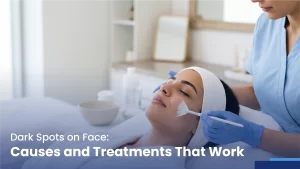
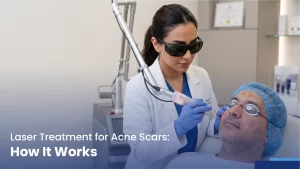
Non-surgical aesthetic treatments available at specialised dermatology and aesthetics clinics include botulinum toxin injections for dynamic wrinkle reduction, dermal fillers for volume restoration and contour enhancement, laser treatments for skin resurfacing, pigmentation, and hair removal, chemical peels, radiofrequency and ultrasound skin tightening devices, and platelet-rich plasma (PRP) therapies. Our dermatology and aesthetics department at Blue Clinic offers a range of non-surgical treatments for skin health and appearance improvement, including laser hair removal and various skin rejuvenation options.
Dental Aesthetics: Where It Fits
Aesthetic dentistry is a parallel field that shares many of the same patient goals as cosmetic plastic surgery but operates on the teeth, gums, and surrounding structures rather than the skin and soft tissue. Procedures like teeth whitening, dental veneers, and dental implants are aesthetic dental procedures that significantly affect the overall appearance of the face and smile.
For patients interested in comprehensive appearance improvement, coordination between aesthetic dental care and skin or facial treatments produces the most cohesive results. Blue Clinic offers both under one roof, with a full dental department and a dedicated dermatology and aesthetics service.
Benefits of Plastic Surgery and Aesthetic Treatments
When carried out by appropriately trained practitioners on suitable patients with realistic expectations, aesthetic and reconstructive procedures offer genuine and well-documented benefits. These include restoration of function following injury or disease, psychological wellbeing improvement through enhanced body confidence, correction of congenital differences that affect quality of life, reversal of age-related changes that affect the way patients feel about their appearance, and in reconstructive cases, enabling patients to live more comfortably in their own skin after illness or trauma.
Research published in the journal Plastic and Reconstructive Surgery consistently documents measurable improvements in quality of life and psychological wellbeing in patients who undergo aesthetic procedures with clearly defined goals and realistic expectations. The psychological benefit is real when the decision is made for the right reasons by a well-informed patient.
Risks of Plastic Surgery
Every surgical procedure carries risk, and cosmetic surgery is not exempt. Patients should enter any elective procedure with a full understanding of what can go wrong. General surgical risks apply to all procedures and include anaesthesia reactions, infection, bleeding, wound healing complications, and deep vein thrombosis in procedures involving longer operating times.
Procedure-specific risks vary widely. Rhinoplasty carries a relatively high revision rate. Breast implants may require replacement over time. Body contouring procedures can result in surface irregularities or asymmetry. Facial surgery carries risks related to nerve function and scarring. Non-surgical treatments are not risk-free either: injectable treatments can cause bruising, asymmetry, or in rare cases vascular complications if administered incorrectly.
The most consistent predictor of poor outcomes in cosmetic surgery is not the procedure itself but the selection of the patient and the surgeon. Patients who undergo procedures for poorly defined reasons, who have unrealistic expectations about results, or who choose surgeons based primarily on price are statistically more likely to experience dissatisfaction. Thorough consultation and candid communication are the most important protective factors.
Surgical vs Non-Surgical: How to Decide
The decision between surgical and non-surgical aesthetic treatment depends primarily on the degree of change desired, the patient’s tolerance for recovery, and the anatomy of the issue being addressed. Some concerns, such as significant skin laxity, deep structural volume loss, or fixed anatomical features, cannot be meaningfully improved without surgery. Others, including early skin ageing, fine lines, minor pigmentation, and diffuse hair removal, are handled effectively and safely with non-surgical approaches.
A consultation with a qualified professional who offers both surgical referral pathways and non-surgical treatments produces the most unbiased recommendation. A practitioner who offers only one type of treatment has an inherent incentive to recommend that treatment regardless of whether it is the most appropriate option for the patient. Our aesthetic medicine team provides honest guidance across both surgical and non-surgical options.
What to Look for in an Aesthetic Provider
The single most important step in any aesthetic treatment journey is choosing a qualified provider. For surgical procedures, this means a board-certified plastic surgeon with verifiable training and documented outcomes. For non-surgical treatments at a dermatology and aesthetics clinic, this means a licensed medical professional with specific training in the devices and injectables being used.
Red flags include pressure to proceed quickly, guaranteed results, lack of written informed consent, inability to provide references or portfolio of outcomes, and pricing that seems implausibly low. Aesthetic procedures are not commodities where the cheapest option is equivalent to others. Quality and safety are directly linked to the training and ethics of the practitioner. Blue Clinic encourages prospective patients to ask questions, request documentation, and take time to make an informed decision.
Frequently Asked Questions
Is plastic surgery the same as cosmetic surgery?
Not entirely. Plastic surgery is the broader specialty that encompasses both reconstructive and cosmetic procedures. Cosmetic surgery refers specifically to elective procedures aimed at changing appearance in healthy individuals. All cosmetic surgeons trained as plastic surgeons, but not all plastic surgeons focus exclusively on cosmetic work.
What is the difference between invasive and non-invasive aesthetic treatments?
Invasive treatments involve incisions and require anaesthesia and a recovery period. Non-invasive treatments such as laser therapies, injectables, and energy-based devices do not break the skin surgically and typically have minimal or no downtime. Minimally invasive procedures, such as thread lifts or certain injection techniques, fall between the two.
How long do the results of plastic surgery last?
Results vary by procedure. Facelifts, rhinoplasties, and blepharoplasties produce long-lasting results that do not reverse, though ageing continues. Breast implants may require replacement after 10 to 20 years. Non-surgical results such as filler and botulinum toxin last months and require maintenance. The permanence of results is one of the most important factors to discuss during consultation.
At what age is plastic surgery appropriate?
There is no universal minimum age for elective cosmetic surgery, but most practitioners prefer patients to be adults whose anatomy and psychological development are complete. Rhinoplasty may be considered in the mid to late teens for functional indications. Body contouring and most facial procedures are generally reserved for adults. The practitioner’s assessment of maturity, motivation, and expectations is as important as chronological age.
Are non-surgical treatments a substitute for surgery?
Non-surgical treatments produce real results but within limits. They cannot replicate what surgery achieves in terms of tissue repositioning, volume reduction, or structural change. In early ageing or mild concerns, non-surgical treatment is often the appropriate starting point. In more advanced cases or where patients seek significant visible change, surgery may be the only approach capable of achieving the desired outcome.
How do I start if I am interested in aesthetic treatment?
The first step is a consultation with a qualified practitioner who can assess your concerns, discuss realistic options, and explain what each treatment involves in your specific case. At Blue Clinic, our aesthetics and dermatology team provides comprehensive consultations covering both non-surgical skin and body treatments. You can book your appointment through WhatsApp at any time.
Taking the Next Step
Plastic surgery and aesthetic medicine represent a wide spectrum of treatments, from complex reconstructive operations to straightforward non-surgical skin care. Understanding what falls under this umbrella, what each category offers, and what the realistic benefits and risks look like is the foundation for making a decision you will feel confident about.
Practical next steps:
- Visit our dermatology and aesthetics department page to understand what non-surgical aesthetic treatments are available at Blue Clinic.
- Explore the dental aesthetics services at Blue Clinic if your goals relate to smile improvement as part of a broader appearance treatment.
- Book a consultation through WhatsApp to discuss your specific concerns and receive an honest assessment of the most appropriate treatment pathway.
- Take the time to ask questions, review credentials, and ensure you fully understand what any proposed treatment involves before committing.
The team at Blue Clinic is available to guide you through an informed and pressure-free consultation process. Reach out to arrange a visit.