


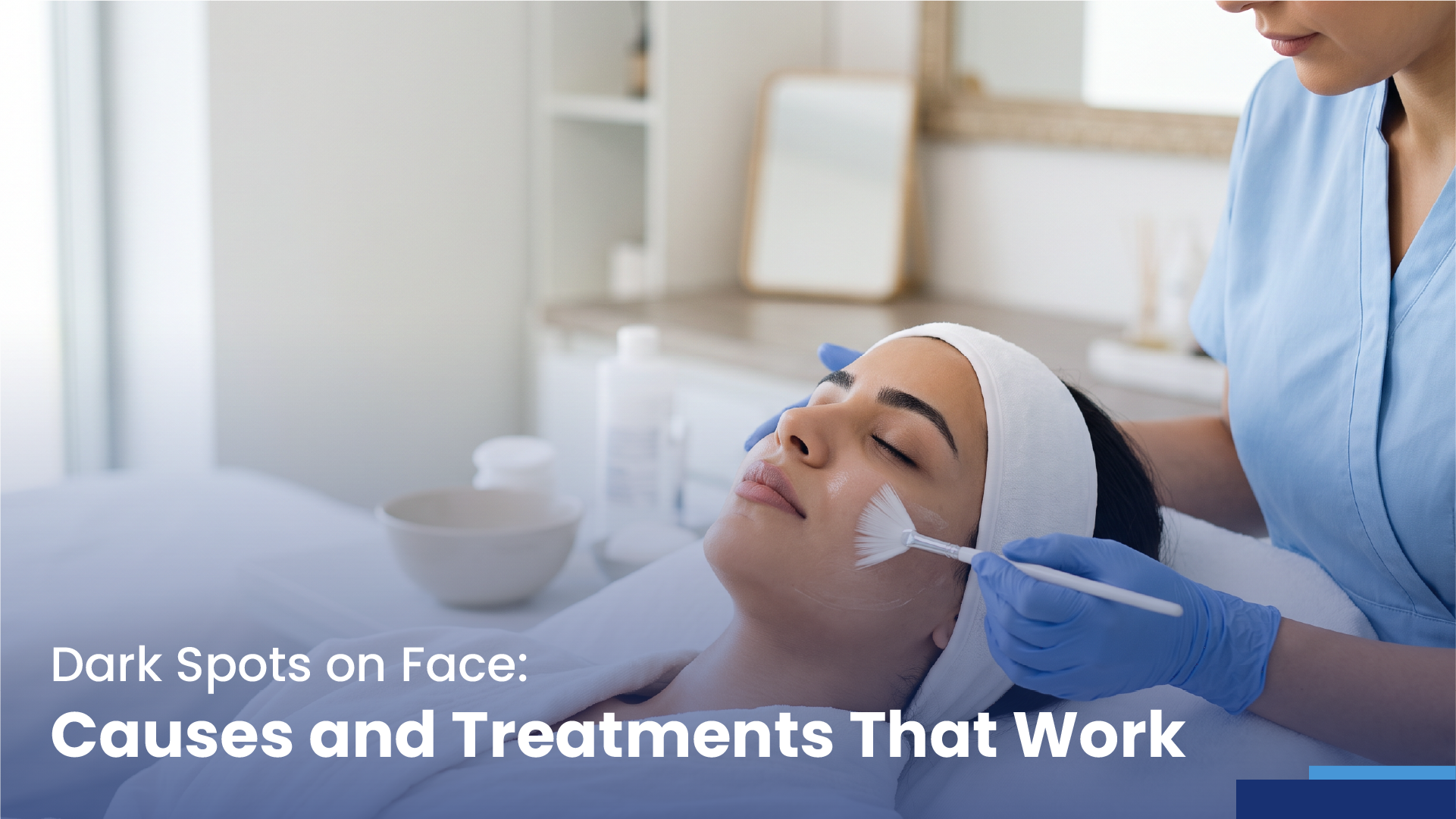
Dark spots on the face are one of the most common reasons people seek a dermatology consultation, and one of the most frequently mistreated, because the same visible patch of discolouration can have very different underlying causes. Sun-induced spots, acne marks, and hormonally driven melasma often look similar to the untrained eye but respond to genuinely different treatments. Identifying which type of dark spot you actually have is the single most important step before choosing a treatment, and this is exactly why an accurate assessment matters more than reaching for the first brightening product on the shelf. At Blue Clinic‘s dermatology department, pigmentation is assessed by cause and depth before any treatment plan is recommended.
This guide covers the main causes of dark spots on the face, how topical actives, chemical peels, and laser treatments compare, and how long fading realistically takes with each approach.
What Causes Dark Spots on the Face
Sun Exposure (Solar Lentigines)
Cumulative UV exposure over years is the single most common cause of dark spots, particularly in adults over 40. Sun-induced spots, often called sun spots, age spots, or solar lentigines, form when UV radiation stimulates melanocytes to overproduce pigment as a protective response. They typically appear on the areas most exposed to the sun: the cheeks, forehead, nose, and backs of the hands. They are flat, well-defined, and tend to be uniform in colour, ranging from light tan to dark brown. Unlike some other causes, sun spots tend to be stable in size and shape once formed, though new ones continue to appear with ongoing sun exposure.
Post-Inflammatory Hyperpigmentation from Acne
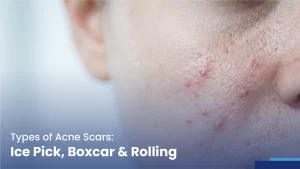
When a breakout heals, the inflammation can leave behind a flat, darker mark at the site, known as post-inflammatory hyperpigmentation (PIH). This is not scarring in the structural sense; it is a pigment response to inflammation, and it is significantly more common and more visible in medium to dark skin tones, where melanocytes react more strongly to inflammatory triggers. PIH marks tend to follow the distribution of the acne itself, commonly on the cheeks, jawline, and forehead, and they fade gradually on their own over months, though treatment accelerates this considerably.
Melasma and Hormonal Pigmentation
Melasma is a distinct and more complex form of facial pigmentation driven by a combination of sun exposure and hormonal factors, including pregnancy, oral contraceptives, and hormone therapy. It typically presents as larger, more symmetrical patches on the cheeks, forehead, upper lip, and bridge of the nose, and it is notably more prone to relapse than sun spots or acne marks. Because melasma requires a different treatment approach, with particular caution around aggressive laser treatment, distinguishing it from other causes of dark spots is especially important before starting any procedure.
Hormonal Changes Beyond Melasma
Beyond classic melasma, broader hormonal fluctuations, including those associated with polycystic ovary syndrome (PCOS) and certain hormonal medications, can contribute to patchy facial pigmentation with a similar appearance and similar treatment considerations.
Ageing and Cumulative Skin Damage
As skin ages, decades of cumulative sun exposure and slower skin cell turnover combine to make existing pigment more visible and new pigment more likely to form and persist. This is why solar lentigines become increasingly common with age even in people who protect their skin reasonably well in later years, reflecting exposure accumulated much earlier in life.
Certain Medications
Some medications increase the skin’s sensitivity to UV light (a photosensitising effect), making pigmentation more likely to develop or worsen with sun exposure. If dark spots appeared or worsened after starting a new medication, this is worth mentioning during a dermatology consultation.
Telling the Causes Apart
A few practical clues help distinguish between the main causes, though a professional assessment remains the most reliable method: sun spots tend to be smaller, more scattered, and appear on the most sun-exposed areas with a fairly uniform tan-to-brown colour. Acne-related marks follow the pattern of previous breakouts and are typically flat with no accompanying texture change. Melasma tends to be larger, more symmetrical, more central on the face, and notably more resistant to fading with sun exposure or hormonal changes. Because these causes often overlap in the same patient, a mixed presentation is common and benefits particularly from professional evaluation.
Comparing Treatment Options
Topical Actives
Topical treatment is the foundation for most types of facial pigmentation and is typically the first step regardless of the underlying cause:
- Hydroquinone: the most established pigment-lightening agent, working by inhibiting tyrosinase, the enzyme responsible for melanin production. Used under professional guidance for defined periods.
- Retinoids (tretinoin, adapalene): accelerate skin cell turnover, helping to shed pigmented cells and improve the penetration of other brightening agents.
- Vitamin C: an antioxidant that also inhibits pigment production and helps protect against further UV-induced pigmentation.
- Azelaic acid: gentle and effective, particularly useful for sensitive skin and safe during pregnancy when many other options are not.
- Niacinamide: reduces the transfer of pigment within skin cells and supports overall skin barrier health.
- Kojic acid and tranexamic acid: additional pigment-inhibiting agents often used in combination formulations, with tranexamic acid particularly useful for more stubborn, hormonally influenced pigmentation.
Chemical Peels
Chemical peels using glycolic acid, salicylic acid, or trichloroacetic acid (TCA) accelerate the shedding of pigmented surface cells, speeding up fading beyond what topical treatment alone typically achieves. Peels are usually performed as a series of sessions spaced several weeks apart, with the strength and depth selected based on skin type and the type of pigmentation being treated. Superficial, well-controlled peels are generally the safest approach, particularly for melasma-type pigmentation, where overly aggressive peeling can trigger rebound darkening.
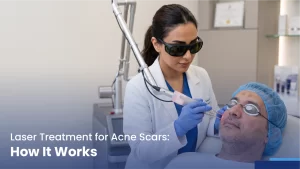
Laser Treatments
Several laser and light-based devices target pigment directly:
- IPL (Intense Pulsed Light): broad-spectrum light that targets pigment and can improve sun spots and some acne-related pigmentation effectively, typically over a series of sessions.
- Q-switched lasers: deliver very short, high-energy pulses that specifically target pigment particles, breaking them down for the body to clear naturally. Effective for well-defined sun spots.
- Pico lasers: an evolution of Q-switched technology using even shorter pulses, often with less thermal impact on the surrounding skin and a correspondingly gentler recovery.
Laser treatment for pigmentation requires an important caveat: melasma responds unpredictably to laser and can rebound worse than before if treated aggressively, because the heat generated can stimulate the very melanocytes being targeted. For this reason, laser is generally a strong option for sun spots and stable acne marks, but is approached far more cautiously, if at all, for melasma, where topical treatment and strict sun protection remain the foundation of care.
Microneedling as an Adjunct
Microneedling can enhance the penetration of topical brightening serums and gradually improve pigment through controlled collagen stimulation. It is generally used as a complementary treatment alongside topical actives or peels rather than as a standalone solution for pigmentation.
How Long Fading Really Takes
Setting realistic timeframes prevents the common mistake of abandoning an effective treatment too early:
- Topical treatments alone: visible fading typically takes two to six months of consistent use, as pigment reduction depends on the skin’s natural turnover cycle.
- Chemical peels: a series of four to six sessions spaced two to four weeks apart is common, with cumulative improvement becoming clearly visible over two to three months.
- Laser treatments: individual sessions can show a visible reduction in a spot’s intensity within days to weeks, but achieving the final, settled result typically takes three to six months and often two to four sessions depending on the device and the depth of the pigment.
Regardless of the treatment chosen, results continue to refine for weeks after the active phase as the skin completes its natural turnover, which is why final assessment should happen a few months after finishing a course rather than immediately after the last session.
Sun Protection: The Foundation of Every Approach
No treatment for dark spots works reliably without daily, consistent sun protection, because UV exposure directly stimulates the pigment-producing process that treatments are working to reverse. A broad-spectrum SPF 30-50 applied every morning, reapplied through the day with outdoor exposure, and combined with practical measures like hats and shade, is not optional; it is the baseline that determines whether treatment gains are kept or lost.
Frequently Asked Questions
Can dark spots go away on their own?
Some can, particularly mild post-inflammatory marks from acne, which often fade gradually over several months without treatment. Sun spots and melasma are far less likely to resolve on their own and typically persist or worsen with continued sun exposure unless actively treated.
Are dark spots on the face dangerous?
Most are entirely benign pigmentation changes with no health risk beyond appearance. However, any spot that is asymmetrical, has an irregular border, contains multiple colours, is larger than a pencil eraser, or is evolving in size, shape, or colour should be assessed promptly by a dermatologist, as these features can occasionally indicate a more serious skin change that needs proper evaluation rather than cosmetic treatment.
Can I use lemon juice or other home remedies?
Lemon juice and similar acidic home remedies are not recommended. They can irritate the skin, increase sun sensitivity, and in some cases worsen pigmentation rather than improve it, particularly with sun exposure afterward. Evidence-based topical actives are a far safer and more effective route to fading.
Do dark spots come back after treatment?
It depends on the cause. Sun spots can recur with continued unprotected sun exposure, and melasma is particularly prone to relapse when sun protection lapses or hormonal triggers return. Acne-related marks generally do not recur once the underlying acne is controlled. Consistent sun protection is the single biggest factor in whether results last.
Getting an Accurate Diagnosis
- Visit the Blue Clinic dermatology department for a professional assessment of your dark spots, including cause identification and a tailored treatment plan.
- Book a consultation through WhatsApp to discuss your pigmentation concerns and treatment goals with a qualified dermatologist.
The team at Blue Clinic provides evidence-based pigmentation treatment combining topical therapies, peels, and laser options selected according to the specific cause and depth of each patient’s dark spots.