







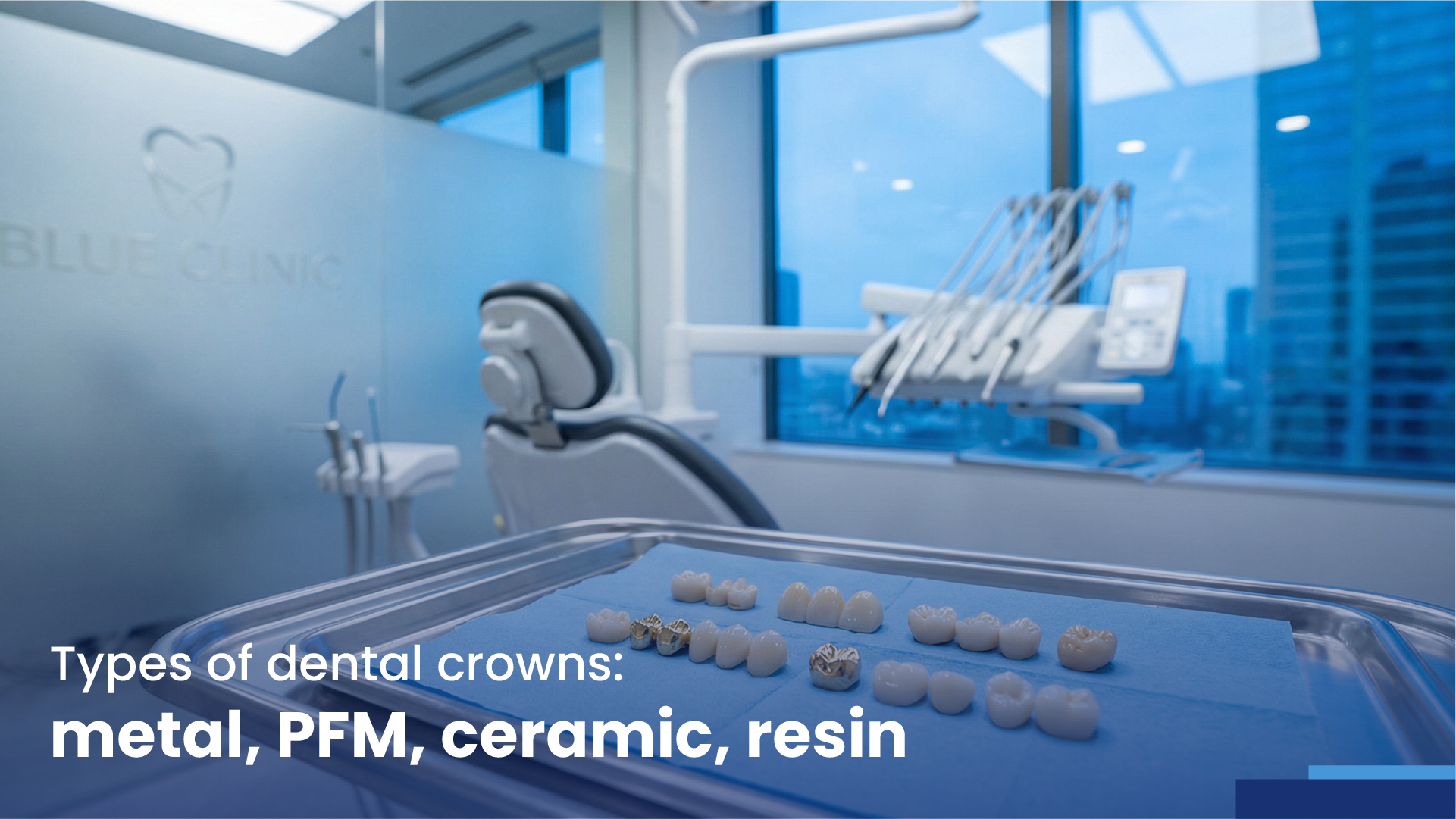
Dental damage doesn’t always mean losing a tooth. Thanks to modern restorative dentistry, a dental crown can rebuild strength, restore appearance, and protect a weakened tooth for many years. If you have a cracked tooth, large filling, root canal treatment–treated tooth, or severe wear, your dentist may recommend a crown as a long-term solution.
Understanding the types of dental crowns available today helps you make a confident decision about your oral health. Each material offers different advantages in durability, aesthetics, and cost. At a medical center in Kuwait offering comprehensive dental care, dentists carefully evaluate your bite, tooth position, and cosmetic goals before recommending the most suitable crown.
This guide explains the most common dental crown materials, how they compare, and what to consider when choosing the right option for your smile.
What is a dental crown?
A dental crown is a custom-made “cap” that covers the entire visible part of a tooth above the gum line. It restores:
- Tooth shape
- Strength and chewing function
- Appearance and color
- Protection after major dental treatment
Dental crowns are often used after root canal treatment, to support a tooth with a very large filling, or to replace a missing tooth as part of a dental implant or bridge.
Why might you need a dental crown?
Dentists at a Kuwait clinic may recommend a crown if you have:
- A fractured or cracked tooth
- A tooth weakened by large fillings
- Severe tooth wear from grinding
- A root canal treatment–treated tooth needing protection
- A misshapen or discolored tooth
- A dental implant that requires a visible replacement tooth
A crown does not just improve looks — it plays a crucial role in protecting the remaining natural tooth structure.
Main types of dental crowns
There are several types of dental crowns, each made from different materials. The most common include:
- Resin crowns
- Metal crowns
- Porcelain-fused-to-metal (PFM) crowns
- Gold crowns
- Ceramic crowns
- Zirconia crowns
Let’s explore each in detail.
Resin crowns
Resin crowns are made from composite resin, a tooth-colored material also used in fillings.
Advantages
- Lower cost compared to other crown types
- Tooth-colored appearance
- Faster and simpler fabrication
Disadvantages
- Less durable than metal or ceramic options
- More prone to wear and fracture over time
- May stain more easily
Best for
Resin crowns may be considered for temporary use or in cases where budget is a major concern. However, for long-term strength, dentists in Kuwait often suggest stronger materials.
Typical cost range: around 15–50 KD, depending on whether they are chairside or lab-made.
Metal crowns
Metal crowns are made from dental alloys that may include nickel, chromium, or other strong metals.
Advantages
- Extremely strong and long-lasting
- Resistant to chipping and cracking
- Require minimal removal of natural tooth structure
Disadvantages
- Metallic color makes them less aesthetic
- Not ideal for visible front teeth
Best for
Metal crowns are often used on back molars, where chewing forces are strongest and appearance is less important.
Typical cost range: around 200 KD (especially gold-based metal crowns used for back teeth).
Porcelain-fused-to-metal (PFM) crowns
PFM crowns combine strength and aesthetics. They have a metal base for durability and a porcelain outer layer for a more natural look.
Advantages
- Stronger than all-ceramic crowns in some cases
- More natural appearance than full metal crowns
- Suitable for both front and back teeth
Disadvantages
- Porcelain layer may chip over time
- A dark metal line may become visible near the gums
- Slightly more tooth reduction is required
Best for
PFM crowns are a balanced option for patients who want both function and improved appearance.
Typical cost range: around 125 KD per crown.
For a clinical comparison between porcelain-fused-to-metal crowns and all-ceramic alternatives, refer to this research article.
Gold crowns
Gold crowns are made from gold-based dental alloys mixed with other metals for strength.
Advantages
- Exceptional durability
- Very gentle on opposing teeth
- Long lifespan with minimal wear
Disadvantages
- Distinct gold color
- Higher cost
- Less commonly chosen for cosmetic reasons
Best for
Gold crowns are excellent for back teeth where longevity and strength are the top priorities.
Typical cost range: around 200 KD per crown, depending on alloy composition and laboratory work.
Ceramic crowns
Ceramic crowns are made entirely from tooth-colored materials without metal.
Advantages
- Excellent natural appearance
- Ideal color matching with surrounding teeth
- No metal, making them suitable for patients with metal sensitivities
Disadvantages
- Slightly less strong than zirconia in heavy bite cases
- May wear opposing teeth if not polished properly
Best for
Ceramic crowns are commonly used for front teeth, where aesthetics are most important.
Typical cost range: All-ceramic crowns such as E.max or similar aesthetic ceramic materials typically cost around 220 KD per crown in Kuwait.
Zirconia crowns
Zirconia crowns are made from a highly durable ceramic material called zirconium dioxide.
Advantages
- Extremely strong and fracture-resistant
- Natural-looking, especially with layered zirconia
- Suitable for both front and back teeth
- Biocompatible and metal-free
Disadvantages
- Can be slightly more opaque than natural enamel in some cases
- May be more expensive
Best for
Zirconia is often recommended for patients who want both strength and aesthetics, especially for molars or people who grind their teeth.
Typical cost range: Zirconia crowns in Kuwait dental clinics generally cost around 175 KD per crown, while premium full-anatomy zirconia systems (such as Prettau) may reach 200 KD.
How do dentists choose the right dental crown?
Choosing the right dental crown material depends on several clinical and personal factors. Dentists consider:
- Tooth location (front vs. back)
- Bite force and teeth grinding habits
- Aesthetic expectations
- Amount of remaining natural tooth structure
- History of metal allergies
- Budget considerations
At a medical center in Kuwait, your dentist may recommend zirconia for strength in back teeth, while suggesting ceramic crowns for a more natural appearance in the front.
When should you see a dentist for a crown?
You should visit a dentist if you notice:
- Pain when biting or chewing
- A cracked or broken tooth
- A large filling that feels unstable
- A tooth that looks severely worn down
- Discoloration after root canal treatment
Early evaluation can prevent further damage and reduce the need for more complex procedures later.
How is a dental crown procedure done?
Getting a dental crown usually involves two visits.
Visit 1: Preparation
- Examination and X-rays
- Removal of decay or old fillings
- Shaping the tooth
- Taking digital or traditional impressions
- Placement of a temporary crown
Visit 2: Final crown placement
- Removal of temporary crown
- Checking fit and color
- Cementing the permanent crown securely
Modern digital dentistry in Kuwait clinics may allow faster and more precise crown fabrication.
Possible complications if a crown is delayed
Delaying a recommended crown can lead to:
- Tooth fracture beyond repair
- Infection requiring root canal treatment
- Periodontics issues and gum inflammation
- Tooth loss in severe cases
A crown helps preserve your natural tooth and maintain proper chewing function.
Conclusion
Understanding the different types of dental Crowns helps you make an informed decision about your dental care. From durable metal crowns to highly aesthetic ceramic and zirconia crowns, each material serves a specific purpose based on strength, appearance, and clinical needs.
If your dentist recommends a crown, timely treatment can protect your tooth, restore function, and improve your smile. A professional evaluation at a trusted best dental clinic in kuwait ensures the crown material chosen fits both your dental condition and your long-term oral health goals.
FAQs
- What causes a tooth to need a crown?
Teeth need crowns when they are structurally weak due to decay, large fillings, fractures, or after root canal treatment. A crown protects the remaining tooth and restores strength.
- How long do dental crowns last?
With proper oral hygiene and regular dental checkups in Kuwait, crowns may last 10–15 years or longer, depending on the material and bite forces.
- Are zirconia crowns better than porcelain?
Zirconia crowns are generally stronger, making them ideal for back teeth, while ceramic/porcelain crowns may offer slightly better translucency for front teeth. The best option depends on the individual case.
- Do dental crowns look natural?
Modern ceramic and zirconia crowns are designed to closely match the color and shape of natural teeth, providing highly aesthetic results when placed by an experienced dentist.