

Dental veneers are among the most requested cosmetic dental treatments in Kuwait, especially for patients seeking visible improvements in smile aesthetics without extensive orthodontic or surgical interventions.
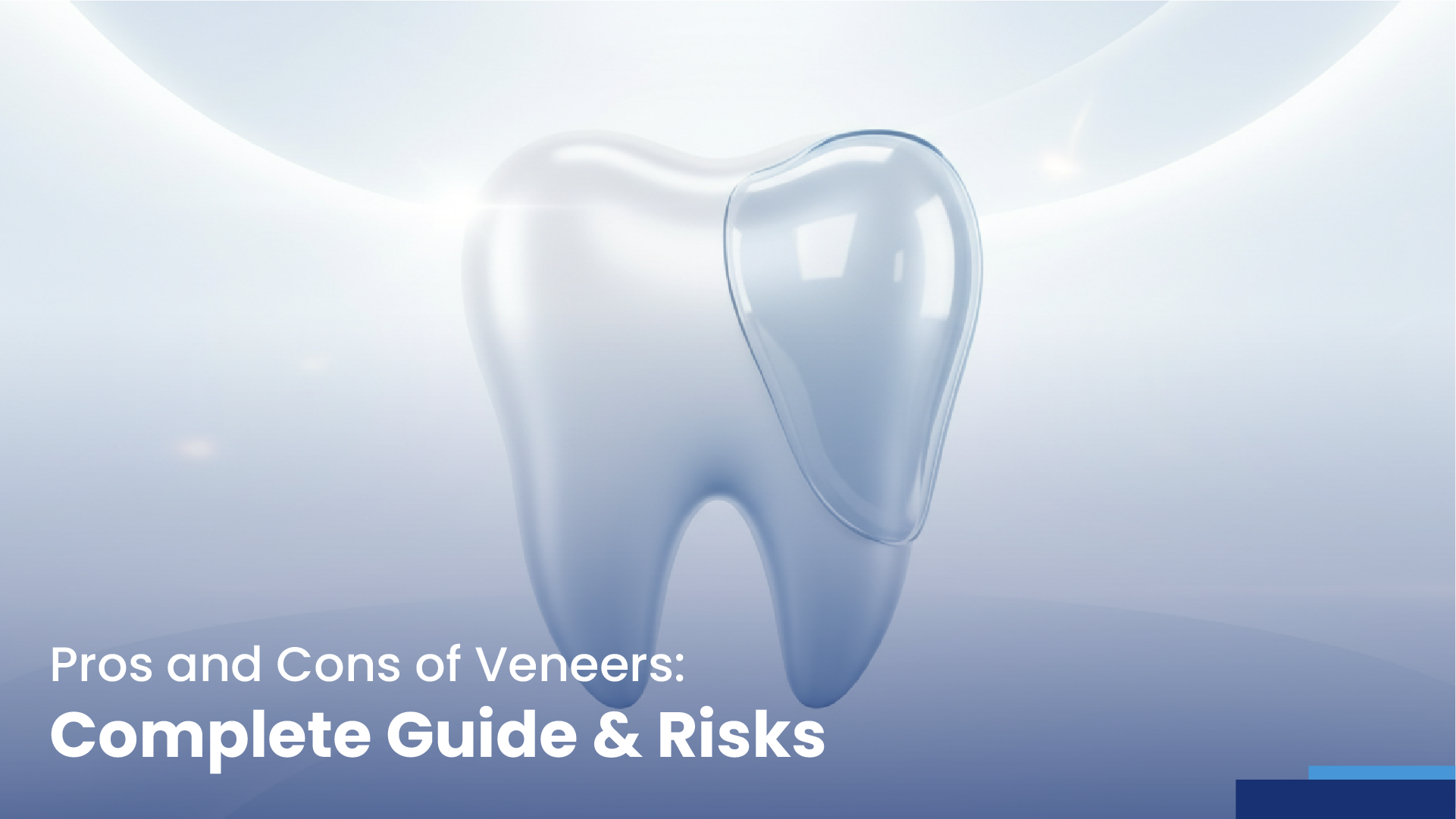
Veneers are thin shells placed on the front surface of teeth to enhance shape, color, alignment, and overall harmony of the smile. They are commonly associated with cosmetic dentistry, yet their impact extends beyond appearance into confidence, oral function, and long-term dental planning.
At a comprehensive medical and aesthetic center like Blue Clinic, veneers are approached as part of a broader, patient-centered philosophy that considers facial balance, skin aesthetics, and oral health together. Understanding the benefits and risks of veneers is essential before deciding if they are the right option for your smile.
What dental veneers are and how they work
Dental veneers are custom-made restorations designed to cover the visible surface of teeth. They are bonded using advanced dental adhesives after careful tooth preparation and aesthetic planning. Veneers can correct discoloration, chipped edges, uneven spacing, mild misalignment, and irregular tooth shape.
In the context of dermatology and cosmetic medicine in Kuwait, veneers often complement facial aesthetic treatments such as Botox, fillers, or skin rejuvenation procedures. A harmonious smile enhances facial symmetry and supports the overall aesthetic outcome.
The two most common types used in modern dental practice are porcelain veneers and composite veneers. Each option has specific characteristics that influence durability, appearance, maintenance, and cost.
Why veneers are popular in cosmetic dentistry in Kuwait
Demand for veneers has grown significantly among patients visiting a dermatology clinic in Kuwait that also offers advanced dental care. Several factors contribute to this trend:
- Patients prefer minimally invasive treatments with predictable results.
- Veneers provide immediate aesthetic improvement compared to lengthy orthodontic options.
- Busy lifestyles in Mahboula and surrounding areas favor fast, natural-looking solutions.
- The combination of dental and facial aesthetics enhances smile harmony and facial youthfulness without affecting natural expressions.
The key benefits of dental veneers
- Natural-looking smile enhancement
Porcelain veneers are designed to mimic the translucency and light reflection of natural enamel. When crafted with precision, they blend seamlessly with surrounding teeth. This makes veneers an ideal option for patients seeking discreet cosmetic improvements rather than obvious dental work.
In a setting like best skin specialist Mahboula clinics that emphasize aesthetic harmony, veneers are planned with facial proportions, lip contour, and smile line in mind.
- Long-lasting color stability
Unlike natural enamel, porcelain veneers resist staining from coffee, tea, and common dietary pigments. This makes them particularly suitable for patients who struggle with tooth discoloration that does not respond to whitening treatments.
For patients investing in long-term aesthetic care such as advanced skin rejuvenation Kuwait programs, veneers support a consistently bright smile that complements clear and healthy skin.
- Conservative alternative to crowns
Veneers require less tooth reduction compared to full crowns. This preserves more natural tooth structure, which is beneficial for long-term dental health when performed correctly. Conservative preparation aligns with modern cosmetic dentistry principles focused on minimal intervention.
- Immediate aesthetic improvement
Veneers can dramatically improve the appearance of teeth within a short treatment timeframe. This appeals to patients preparing for important life events or those seeking efficient solutions alongside other aesthetic procedures such as fillers or PRP treatments.
- Customization for individual needs
Veneers are not a one-size-fits-all solution. Shape, shade, thickness, and contour are tailored to each patient. This level of customization allows dentists to address asymmetry, tooth length discrepancies, and smile balance in a controlled and predictable way.
Potential risks and limitations of veneers
While veneers offer many advantages, they are not without limitations. A transparent discussion of risks is essential for informed decision-making.
- Irreversibility of tooth preparation
Most veneer procedures involve removing a thin layer of enamel. Once enamel is removed, it cannot regenerate. This means veneers are a long-term commitment. Replacement may be required in the future due to wear, damage, or aesthetic changes.
Patients considering veneers should understand this aspect clearly, especially those exploring cosmetic options for the first time.
- Risk of sensitivity
Some patients experience temporary tooth sensitivity following veneer placement. This sensitivity is usually mild and resolves as teeth adapt. Proper bonding techniques and precise preparation significantly reduce this risk.
- Potential for chipping or damage
Although porcelain veneers are strong, they are not indestructible. Biting hard objects, grinding teeth, or trauma can cause chips or fractures. Patients with bruxism may require protective night guards to preserve veneer integrity.
- Maintenance and replacement over time
Veneers require proper oral hygiene and regular dental check-ups. While they can last many years, they are not permanent. Replacement may be necessary due to normal wear or changes in gum position over time.
- Cost considerations
High-quality veneers involve advanced materials, laboratory craftsmanship, and clinical expertise. This makes them more expensive than some alternative cosmetic treatments. Patients should weigh cost against longevity, aesthetics, and overall satisfaction.
Veneers compared to other cosmetic dental options
Understanding how veneers differ from other treatments helps patients choose the most appropriate solution.
| Treatment option | Primary purpose | Longevity | Tooth alteration |
| Veneers | Shape, color, alignment correction | Long-term | Minimal enamel removal |
| Teeth whitening | Color improvement only | Short to medium | None |
| Dental bonding | Minor chips and gaps | Short-term | Minimal |
| Crowns | Structural restoration | Long-term | Significant tooth reduction |
Veneers occupy a middle ground between conservative cosmetic treatments and more invasive restorations. This balance explains their popularity in dermatology and cosmetic surgery clinics in Kuwait that offer integrated care.
How veneers fit into a comprehensive aesthetic plan
At a multidisciplinary clinic like Blue Clinic, veneers are often part of a broader aesthetic strategy. Smile design can be coordinated with facial treatments to achieve balanced results.
For example, improving tooth length and alignment can enhance lip support, which complements lip fillers or facial rejuvenation treatments. Clear, symmetrical teeth also draw attention away from minor skin imperfections and support the outcomes of acne and scar treatments.
This integrated approach reflects a growing trend in aesthetic medicine where dental and dermatological treatments are planned cohesively rather than in isolation.
Who is a good candidate for veneers
Veneers are suitable for patients with healthy teeth and gums who seek cosmetic improvement rather than structural repair. Ideal candidates typically have:
- Stable oral health without active decay or gum disease
- Sufficient enamel for bonding
- Realistic expectations about outcomes and maintenance
- Commitment to good oral hygiene
Patients with significant bite issues, severe tooth damage, or untreated periodontal conditions may require alternative treatments before considering veneers.
The role of professional assessment in veneer success
The success of veneers depends heavily on clinical planning and execution. Proper diagnosis, digital smile analysis, and material selection are essential steps.
In clinics that also specialize in facial treatments Mahboula and non-surgical aesthetic solutions, dentists often collaborate with aesthetic specialists to ensure smile design complements facial features.
This level of assessment reduces risks, improves longevity, and enhances patient satisfaction.
Long-term care and lifestyle considerations
Veneers require daily care similar to natural teeth. Brushing, flossing, and regular professional cleanings remain essential. Patients should avoid habits that place excessive force on veneers, such as nail biting or opening packages with teeth.
Dietary awareness also plays a role. While porcelain resists staining, maintaining balanced nutrition supports overall oral and skin health, reinforcing the benefits of aesthetic treatments across disciplines.
Psychological and confidence-related benefits
A confident smile influences social interactions, professional presence, and self-image. Many patients report improved confidence following veneer treatment, particularly when smile concerns previously affected their willingness to speak or smile openly.
This psychological benefit aligns with the broader goals of aesthetic medicine, which focus on enhancing well-being alongside physical appearance.
Dental veneers and aesthetic care at Blue Clinic
Blue Clinic offers comprehensive cosmetic dental services as part of its integrated medical and aesthetic care model in Mahboula, Kuwait. Veneer treatments are provided within a setting that also includes advanced dermatology, laser treatments, facial rejuvenation procedures, and family medicine.
Patients benefit from coordinated care, modern diagnostic tools, and treatment plans designed to support both smile aesthetics and overall facial harmony. The clinic’s location on Mahboula Coastal Road allows convenient access for residents seeking reliable cosmetic and dermatology services in Kuwait.
Consultations focus on education, realistic expectations, and personalized recommendations based on individual needs and long-term goals.
Frequently asked questions
- Are veneers suitable for patients with acne or skin treatments ongoing?
Yes, veneers can be planned alongside dermatology treatments. Coordinating smile design with skin rejuvenation or acne therapies often enhances overall facial aesthetics.
- How long do veneers typically last?
With proper care, high-quality veneers can last many years. Longevity depends on oral hygiene, bite habits, and regular dental follow-up.
- Do veneers affect gum health?
When properly designed and maintained, veneers do not harm gum health. Poor oral hygiene or ill-fitting restorations can increase gum irritation, which highlights the importance of professional placement.
- Can veneers be replaced if tastes or trends change?
Veneers can be replaced, but this involves additional dental work. Patients are encouraged to choose timeless, natural designs rather than extreme cosmetic trends.
- Is veneer treatment painful?
The procedure is generally well tolerated. Local anesthesia is used during preparation, and post-treatment discomfort is usually minimal and temporary.
Dental veneers remain a powerful cosmetic option when approached with clinical expertise and realistic expectations. Understanding both benefits and risks allows patients to make informed decisions that support long-term oral health and aesthetic confidence within a trusted medical environment like Blue Clinic in Kuwait.